
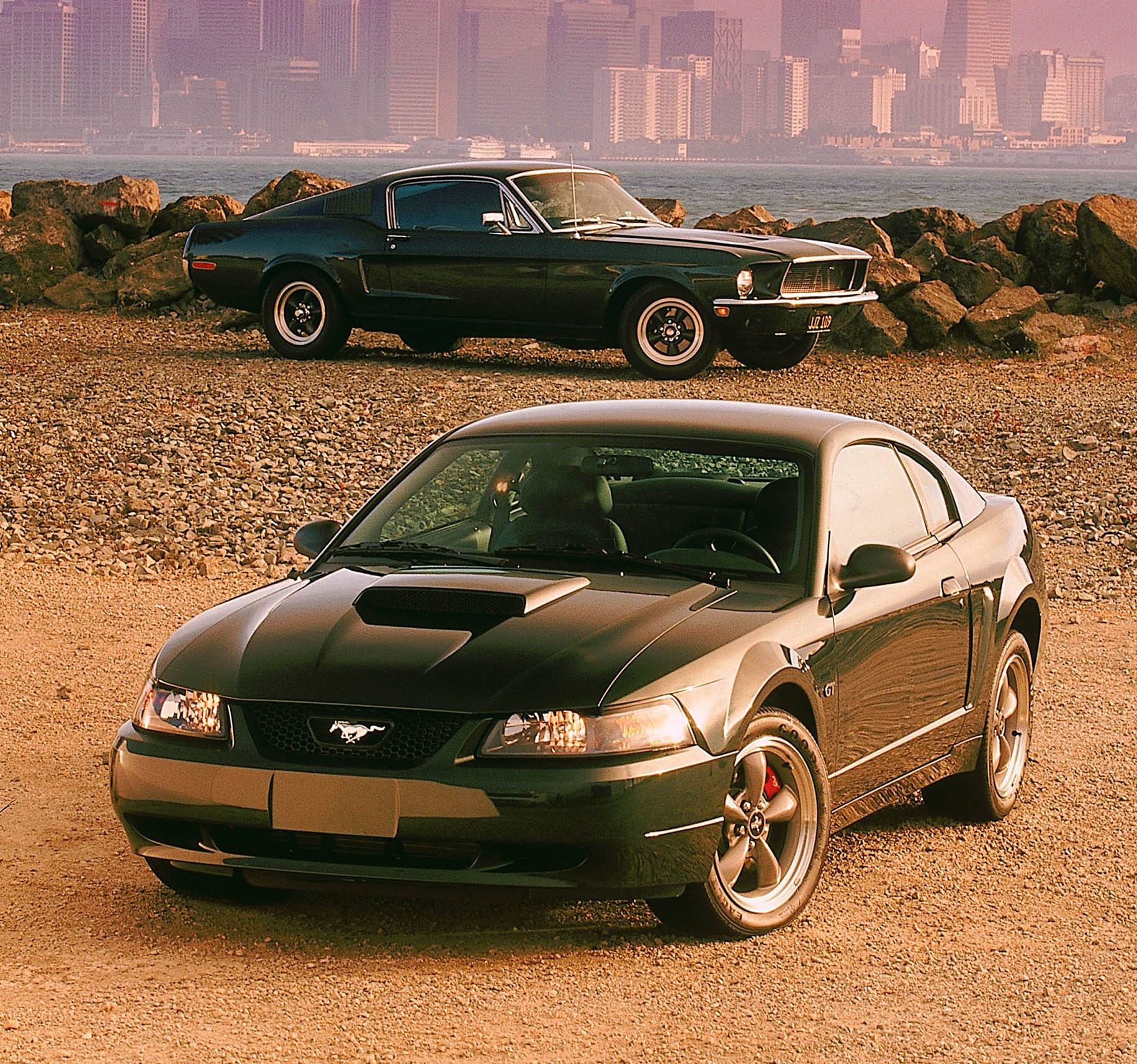
2001 or 1968?
How old a vehicle is can have a big impact on how much money you end up spending on it. While newer cars typically have a higher price tag and higher insurance rates, older cars can be less fuel-efficient and less reliable. Somewhere in the middle the costs even out, but at just what age is a car most economical? In this post, we’ll explore the 5 big costs of car ownership and how they change with age: price tag, fuel economy, vehicle excise duty, insurance and repairs.
Price tag
The price tag tends to be the cost many of us focus on when initially buying a car. The average price of a brand new car in the UK is currently £26 to £28.5k. Cars depreciate very quickly – expect a car to lose 20% of its value in the first year alone. Some makes like Tesla depreciate more slowly, which have made them popular PPC finance options, while Audis are known to depreciate the fastest in the first few years (making it possible to get some great deals on an Audi approved used car). After 10 years, many cars have lost up to 80% of their value (the average cost of a 10 year old vehicle in the UK right now is just under £7k), however well maintained cars with good mileage can hold more value and even gain it as they reach classic status.
Fuel efficiency
Due to constantly evolving technology, fuel economy of newer vehicles is constantly getting better, making a newer car always a more affordable choice when it comes to fuel. The volatility of petrol and diesel prices in recent years has made more people conscious of this, and more people are switching to electrics and hybrids (which tend to be newer cars). Older small cars can still boast relatively good fuel economy, while old American muscle cars and pickups are the biggest fuel guzzlers (the 1969 Dodge Challenger notoriously only has a mpg of only 6.7).
Insurance
Age also affects insurance premiums. New cars tend to come with very high insurance rates due to being more valuable and a more popular target for thieves. As cars get older, insurance can get lower, but it’s worth noting that accident statistics can greatly affect things (if a certain model is involved in more crashes, the insurance rates will soar). Classic cars can face their own insurance costs, but are still generally cheaper to insure than new cars.
Vehicle excise duty (VED)
Commonly known as ‘road tax’, VED is largely affected by emissions. Newer cars tend to produce less emissions and so can cost less to tax. Because tax bands are constantly changing, you may find that a car goes up or down a tax band over time. Classic cars (models that are 40 years or older) are exempt from VED.
Repairs
This is one cost where expenses undoubtedly get greater with age. New cars are unlikely to encounter many problems and many are protected by warranties. Older cars tend to experience wear and tear, although mileage tends to be a bigger indicator – once cars break the 120,000 miles barrier, the number of issues greatly spikes, so always be wary of this when buying high mileage vehicles.
At what age is a car most economical?
While this varies from model to model, the 3 to 6 year mark tends to be the most economical age to own a vehicle – depreciation starts to slow down, insurance starts to dip and yet overall mileage still isn’t great enough to experience major repair bills (some cars like Kias may even still be protected by a warranty).